
Herbal Support for Dogs
Updated: Apr 6
The “Why Is He Licking That Paw Again?” Section
Dogs are wonderfully forgiving and usually respond well to topical herbal care.
Hot spots.
Dry paws.
Minor scrapes.
Bug bites after running around the property like they own it. (And they do!)


Recipe: Calendula Chamomile Healing Salve
This is one of our favorite homestead staples.
You’ll need:
1 cup olive oil
2 tablespoons dried calendula
1 tablespoon dried chamomile
1 ounce beeswax
Instructions:
Add olive oil and herbs to a double boiler.
Heat gently on low for 1 to 2 hours. No frying. We are infusing, not sautéing.
Strain thoroughly.
Return oil to heat and stir in beeswax until melted.
Pour into tins and let cool.
Apply a thin layer to irritated skin once or twice daily.
Why it works:
Calendula supports tissue repair. Chamomile reduces mild inflammation and itchiness. This is the kind of salve that quietly earns its place on the shelf next to your magnesium spray and homemade hair conditioner.
Herbal Support for Cats
The “Handle With Respect” Section
Cats are different. They lack certain liver enzymes that help process strong plant compounds. That means no essential oils. No strong tinctures. Keep it gentle.
Think tea, not chemistry lab.

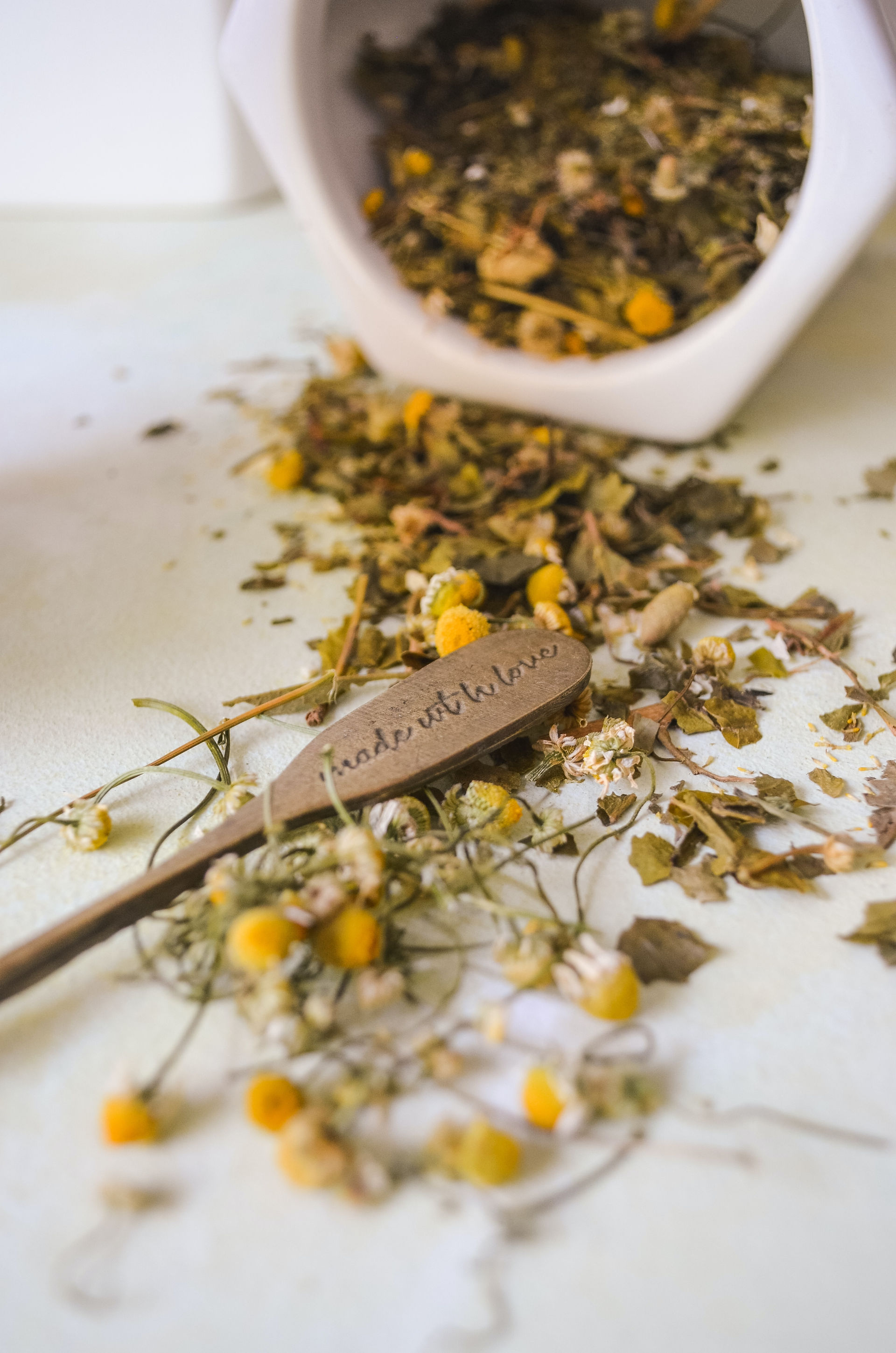

Recipe: Gentle Chamomile Catnip Tea
Great for mild stress, travel, or occasional digestive weirdness.
You’ll need:
1 teaspoon dried chamomile
1 teaspoon dried catnip
1 cup hot water
Instructions:
Pour hot water over herbs.
Cover and steep for 10 to 15 minutes.
Strain completely.
Cool fully.
Add 1 to 2 teaspoons of the cooled tea to food or water once daily as needed.
Why it works:
Chamomile soothes digestion. Catnip can relax the nervous system in many cats. Not every cat responds the same way. Some mellow out. Some look offended. Observe your cat and adjust accordingly.
Herbal Support for Chickens
Because Coop Life Is Not Always Glamorous
Chickens deal with:
Weather swings.
Dust.
Stress.
Pecking order drama.
Florida humidity that could melt a human (and trust us.... it does!)
Herbs can support immune function and respiratory health during seasonal stress.

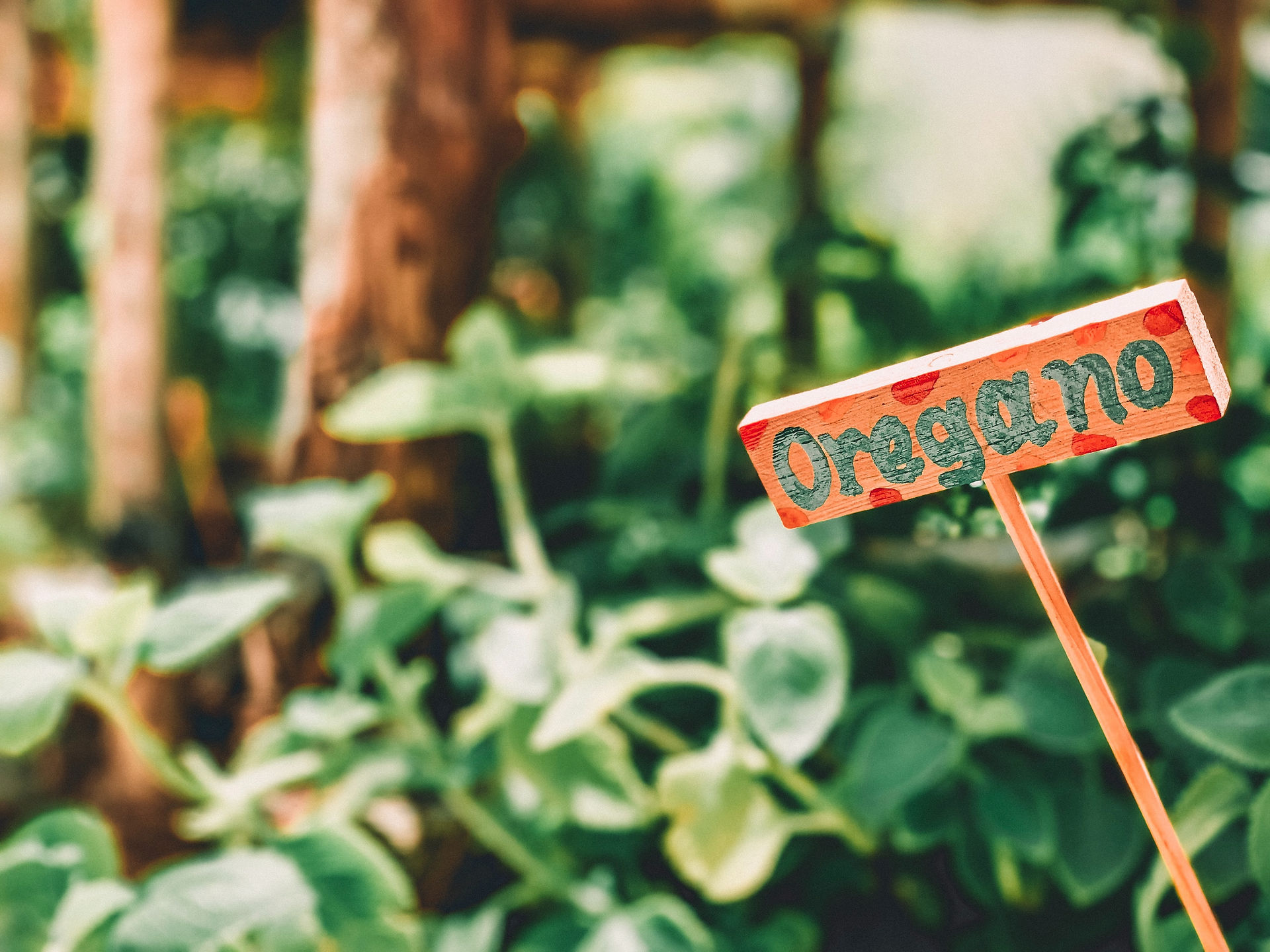

Recipe: Garlic Oregano Immune Water
Best used during seasonal shifts or mild respiratory concerns.
You’ll need:
2 crushed garlic cloves
1 tablespoon fresh oregano
1 gallon water
Instructions:
Crush garlic and let it sit for 10 minutes to activate allicin.
Add garlic and oregano to water.
Steep for 4 to 6 hours.
Strain before placing in waterer.
Offer for 1 to 2 days during stress periods. Then rotate back to plain water.
Why it works:
Garlic supports immune response. Oregano contains compounds that support respiratory health. Simple. Effective. Old school.
Growing a Pet Herb Patch
If you already grow:
Calendula
Chamomile
Catnip
Garlic
Oregano
You are basically running a small apothecary. Most of these thrive beautifully in Florida conditions and fit right into a food forest or herb spiral. When medicine grows outside your door, it changes how you think about health. It becomes proactive instead of reactive.
When Herbs Are Not Enough
Seek veterinary care immediately if your animal has:
High fever
Labored breathing
Deep wounds
Severe lethargy
Persistent diarrhea
Signs of poisoning
Herbs are supportive tools. They are not emergency medicine. Even on a homestead, wisdom includes knowing when to load up and head to the vet.
Final Thoughts From Our Porch
Healthy animals don’t just happen on their own. They happen because someone is paying attention every day. Around a homestead, herbs are just one small piece of a much bigger picture. Clean water in the trough. Good feed in the bowl. Low stress. Solid shelter. And most importantly, watching your animals closely enough to notice when something isn’t quite right.
It’s the same lesson whether you’re raising livestock, reptiles, or even feeder insects. What you give them day after day matters more than any single big change. The little things, done consistently, are what build strong, resilient animals over time.
Start simple and grow what you can. Plant a few herbs. Pay attention to how your animals respond. Learn their habits, their moods, and their normal rhythms. Nature has been refining these systems for generations longer than we have.
And if you’re already growing herbs for your kitchen or medicine cabinet, it just makes sense to let the rest of the homestead benefit too.


Comments